Minul Chathumal
•
July 21, 2026
The beauty brands growing fastest right now built one thing their competitors ignored , a mobile app. Here is why that changes everything.

Open your phone right now. Instagram ads, TikTok videos, influencer collabs, email blasts. The noise is unreal. And yet some beauty brands are quietly pulling ahead not because of a bigger budget or a more famous influencer. They figured out something most competitors have not.
The brands winning in 2026 are not just selling products. They are building an experience that lives directly on their customer's phone. A native mobile app that is always there, always personal, and always one tap away from a purchase.
Think about the beauty brands you personally keep coming back to. There is a good chance at least one of them has an app. Maybe you use it to reorder your favourite moisturiser. Maybe you get notifications when your go-to foundation shade is back in stock. Maybe you earn loyalty points every time you shop. That is not an accident. That is a strategy.
And here is the thing this is not just for the big players anymore. Small beauty startups, the kind run by one or two people who are doing everything themselves, are building apps too. And it is working for them.
In this article we are going to break down exactly why native apps have become the secret weapon for beauty brands right now, what they actually do that a website just cannot, and how you can build one without burning through your budget or figuring out how to code.
What Is Actually Changing in Beauty Commerce Right Now
The beauty industry has always been about trends. But what is happening right now goes deeper than a trending ingredient or a viral makeup look. The way people discover, research, and buy beauty products has fundamentally shifted and most brands have not fully caught up yet.
A few years ago someone would see a product on Instagram, visit the website, maybe add it to cart, close the tab, and forget about it. That still happens. But it is no longer the dominant journey.
In 2026 most beauty purchases start and end on a mobile device. People discover products on TikTok at night, watch a skincare video and want to buy everything in it, impulse buy during a lunch break. The buying cycle has compressed and it is almost entirely mobile.
Here is what the data is telling us. Mobile commerce now accounts for more than 70% of all ecommerce traffic. In the beauty category that number is even higher because beauty buyers are predominantly mobile first consumers. They live on their phones. They research on their phones. They buy on their phones.
But here is the problem most beauty brands are running into. Their mobile website was not built for this kind of instant high intent shopping behaviour. Pages load slowly. Checkout has too many steps. The experience feels clunky compared to scrolling through a beautifully curated app. And so customers drop off right at the moment they are most ready to buy.
The brands that figured this out early stopped trying to optimise their mobile website and started building something better. A native app that meets their customers exactly where they are with an experience that is fast, beautiful, and built for one thing above everything else. Getting people to fall in love with the brand and keep coming back.
That shift is happening right now. And the gap between brands that have an app and brands that do not is getting wider every month.
Why a Native App Is the Common Thread Among Top Beauty Brands

Fenty Beauty, Glossier, Charlotte Tilbury, NARS and dozens of fast rising small beauty startups all share one thing. They invested in a native mobile app early and treat it as a core part of their business. That is not a coincidence.
A native app changes the relationship between a beauty brand and its customers in a way that no other channel can. Here is why.
It Creates a Dedicated Space for Your Brand
When someone downloads your app they are making a conscious decision to let your brand live on their phone. That is a completely different level of commitment compared to following you on Instagram or signing up for your email list. They chose you. They gave you real estate on the most personal device they own. That relationship starts at a much higher level of trust and loyalty than any other channel.
It Removes Every Barrier to Purchase
A native app is built specifically for buying. The navigation is clean. The product pages are fast. Checkout is smooth and can be completed in a few taps with saved payment details. No slow loading. No clunky checkout. No distractions.
It Keeps the Brand Top of Mind
Your app icon sitting on someone’s home screen is free advertising every single day. Every time they unlock their phone they see your brand. That kind of passive visibility is something no ad campaign can replicate. And when you combine that with well timed push notifications the app becomes an active revenue driver not just a passive presence.
It Builds a Community Not Just a Customer Base
The best beauty apps do more than sell. Loyalty rewards, personalised recommendations, early access for members these turn one-time buyers into people who genuinely feel connected to your brand. Connected customers spend more, come back more often, and tell their friends.
It Gives You Data That Actually Helps
Every tap, every scroll, every product view inside your app tells you something about what your customers want. Which products are getting attention but not converting. Which categories are most browsed. What time of day your customers are most active. This kind of behavioural data is gold for a beauty brand and you simply do not get it at the same depth from a website or social media.
The brands that understand all of this are not just building apps because it looks impressive. They are building apps because the business case is undeniable. Higher conversion rates, stronger customer relationships, better data, and a direct channel to their most loyal buyers that no algorithm can take away from them.
The Features That Matter Most for Beauty Brands Specifically

Not all mobile apps are built the same. A food delivery app and a beauty commerce app have completely different priorities. What works for one industry does not automatically translate to another. Beauty is a category driven by emotion, personal identity, and sensory experience. The features that matter most for beauty brands reflect that reality.
Here are the ones that actually move the needle.
Push Notifications Built Around the Beauty Calendar
Beauty has a natural rhythm. New launches, seasonal collections, limited edition drops, restocks of cult favourites. Push notifications let you build excitement around that rhythm in real time. A well timed notification the morning a new collection drops, or an alert when a sold out shade finally comes back in stock, creates urgency that drives immediate action. Beauty customers are passionate and they do not want to miss out. Push notifications make sure they never have to.
Loyalty and Rewards That Feel Worth It
Beauty customers are creatures of habit when they find products they love. A loyalty program that rewards every purchase, every review, and every referral keeps those habits anchored to your brand. The key is making the rewards feel genuinely valuable. Points that convert to real discounts, early access to new launches for loyalty members, birthday gifts, exclusive app only offers. When customers feel like they are getting something back from every purchase they stop looking at competitor brands.
Personalised Product Recommendations
This is one of the most powerful features a beauty app can have and one of the hardest things to replicate on a website. When a customer opens your app and sees a home screen curated specifically for their skin type, their past purchases, and their browsing history, the experience feels personal in a way that generic product listings never can. Personalisation increases average order value and reduces the time it takes for a customer to find something they want to buy.
Shoppable Content and Lookbooks
Beauty is visual. Customers want to see products in use before they commit. A native app lets you create shoppable lookbooks, tutorial videos, and editorial content where every product featured can be added to cart with a single tap. This bridges the gap between inspiration and purchase in a way that feels natural rather than pushy. Someone watching a foundation routine video and being able to buy every product used in it without leaving the app is a conversion experience that websites struggle to match.
Seamless Repurchase Flow
Skincare and beauty products get used up and need to be reordered. This is one of the most valuable and underused opportunities in beauty commerce. A native app can track purchase history and send a push notification when it is time for a customer to reorder their favourite serum or moisturiser. One tap to reorder with saved payment details and the job is done in seconds. This kind of frictionless repurchase experience builds habits that are very hard to break.
Reviews and User Generated Content
Beauty customers trust other beauty customers more than they trust brands. An app that makes it easy to leave reviews, upload photos, and share results creates a community feel that builds credibility organically. When new customers land on a product page and see real photos from real people with similar skin types or tones, conversion rates go up. User generated content inside the app becomes one of your most powerful selling tools.
Skin Type and Preference Quizzes
Onboarding a new customer with a quick quiz about their skin type, concerns, and preferences lets the app serve them a personalised experience from day one. Instead of showing everyone the same homepage they see products and content that are genuinely relevant to them. This reduces overwhelm, speeds up discovery, and makes the brand feel like it truly understands the customer rather than just trying to sell to them.
Multi Currency and Multi Language Support
Beauty is a global category. A customer in London, Lagos, or Los Angeles might all want the same products. An app that handles multiple currencies and languages removes the friction of international shopping and opens your brand up to revenue streams that a single market focus simply cannot reach.
These features are not extras. For a beauty brand they are the difference between an app that customers open once and forget and one that becomes a daily habit woven into their beauty routine.

But Isn’t Building an App Expensive and Complicated?
This is the question that stops most beauty brand owners from even exploring the idea of a native app. And honestly it is a completely fair concern because for a long time the answer was yes. Building an app was expensive, complicated, and out of reach for anyone who was not a large corporation with a dedicated tech team.
Building an app used to mean hiring iOS and Android developers, a designer, a project manager, and a backend developer. Six months to a year. $20,000 to $100,000. Then ongoing maintenance every time Apple or Google updated something. For a large beauty conglomerate that made sense. For a growing indie brand it simply did not. That is why so many brands put it off
But that version of app development is no longer the only option.
Just like Shopify made it possible to build a store without a developer, a new generation of app builders lets you launch a native app with no code, no long timelines, and no big budget.
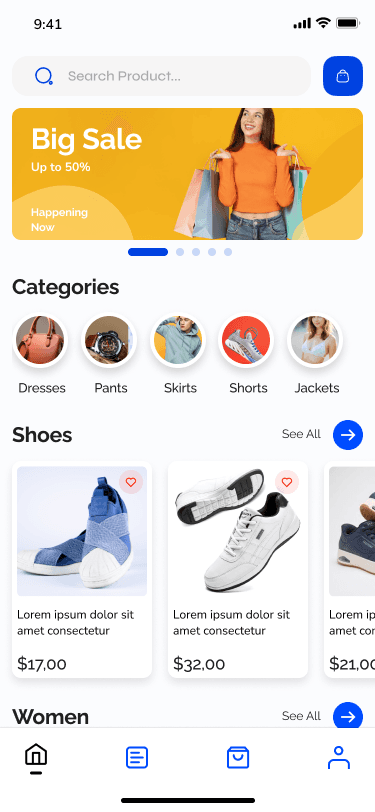
The process today looks completely different. You pick a platform built for Shopify merchants, connect it to your store, choose a design theme that matches your brand, customise your colors, fonts, and layout, add your products and categories, preview everything on a real phone screen, and submit to the App Store and Google Play. The whole thing can be done in a matter of days.
The cost has also changed dramatically. Instead of a one time development cost of tens of thousands of dollars you are looking at a monthly subscription that starts at a fraction of what a single Facebook ad campaign might cost you. And unlike a custom development project the platform handles all the technical maintenance, updates, and compatibility issues automatically. You never have to think about what happens when Apple releases a new iOS version. That is someone else’s problem.
The barrier that used to make native apps exclusive to big brands is gone. What was once a $50,000 project is now accessible to any Shopify merchant who wants to give their customers a better mobile experience.
The question is no longer can I afford to build an app. The question is can I afford not to while my competitors are already doing it.
How Moby5 Fits Into All of This
That is exactly what Moby5 was built for you.
Moby5 is a Shopify app that gives beauty brand owners everything they need to launch a fully branded native iOS and Android app without writing a single line of code and without spending anywhere near what custom development would cost.
Here is how it works.
You connect your Shopify store, pick from a library of professionally designed themes, customise your colors, fonts, banners, and product layout to match your brand identity, preview everything on a real device, and submit to the App Store and Google Play. The whole process is designed to be completed in five to seven days. Not months.
Once your app is live Moby5 keeps everything in sync automatically. Your products, prices, inventory, and orders update in real time between your Shopify store and your app. You never have to manage two separate systems or worry about stock levels being out of date. Everything just works.
The push notification tools are built in and straightforward to use. You can send manual campaigns for product launches and promotions or set up automated notifications for abandoned carts, back in stock alerts, and personalised product recommendations. These are the exact features we talked about throughout this article that separate beauty brands with apps from those still relying only on email and social media.
Moby5 also supports loyalty programs, shoppable content, multi currency, and multi language out of the box. So whether you are selling to customers in one market or building a global beauty brand the infrastructure is already there.
What stands out about Moby5 for smaller and mid sized beauty brands is the pricing. Starting at $39 a month you get access to enterprise level mobile commerce tools that used to be reserved for brands with massive development budgets. Unlimited push notifications, unlimited products, white label branding with zero Moby5 branding on your app, and a team that handles your App Store and Google Play submission for you.
There is also a free trial so you can explore the platform, build out your app, and see exactly what it looks like before committing to anything. No credit card required to get started.
If you want to see what Moby5 looks like for your store you can check it out at www.moby5.com. It takes a few minutes to connect and you will immediately start to see what your beauty brand could look like as a native mobile app.
How Moby5 Fits Into All of This
Let us bring everything together.
The beauty industry has always been competitive. But what is happening right now is different. The brands pulling ahead are not necessarily the ones with the biggest budgets or the most followers. They are the ones who figured out that owning the relationship with their customers matters more than renting attention from social platforms.
A native mobile app is how you own that relationship.
It puts your brand on the most personal device your customer owns. It lets you reach them directly without fighting an algorithm or paying for every impression. It removes every barrier between browsing and buying. It builds loyalty that compounds over time and turns one time buyers into customers who come back again and again because they genuinely feel connected to what you have built.
Mobile now drives most beauty purchases. Apps outperform websites. And building one no longer requires coding, a big budget, or months of waiting.
The barrier to entry is gone. The only thing standing between your beauty brand and a native mobile app is the decision to start.
Your competitors are already thinking about this. Some of them have already done it. Every month you wait is another month they are building direct relationships with mobile customers while you are still hoping your emails land in the right inbox and your Instagram posts reach the right people.
You built your brand because you believed in what you were creating. Now it is time to give that brand the mobile presence it deserves.
The brands winning in 2026 made a decision. Now it is your turn.
Related articles

How Fashion & Streetwear Brands Use Mobile Apps to Build Cult Followings

Muhammed Amri
July 20, 2026
Read more
The Beauty Brands Dominating 2026 All Have One Thing in Common. Here’s Their Secret.

Minul Chathumal
July 20, 2026
Read more

Real-Time Shopify Sync: The Growth Lever Most Brands Ignore

Lalana Gurusinghe
July 20, 2026
Read more